Manage your energy, not your time: the ultradian way to work
 Nina Brenes··7 min read
Key takeaways
- Manage your energy, not your time, means planning around your attention and capacity, which rise and fall in waves, instead of the clock, which is fixed. Anne-Laure Le Cunff of Ness Labs calls this energy management over time management.
- Your brain runs on ultradian rhythms: roughly 90-minute cycles of higher focus followed by a natural dip, first described by sleep researcher Nathaniel Kleitman. Work with the wave, then rest, instead of grinding through the trough.
- Your chronotype, whether you are a morning lark or a night owl, sets when your peak hours actually land. Forcing everyone into a 9-to-5 peak wastes real energy.
- Timeshielding, Le Cunff's term, means protecting a block of deep-work time from meetings and pings so a full ultradian cycle can run uninterrupted.
- Use AI to remove the draining, low-value work, so your peak cycles land on what is uniquely human. Don't automate to work more; automate to work mindfully.
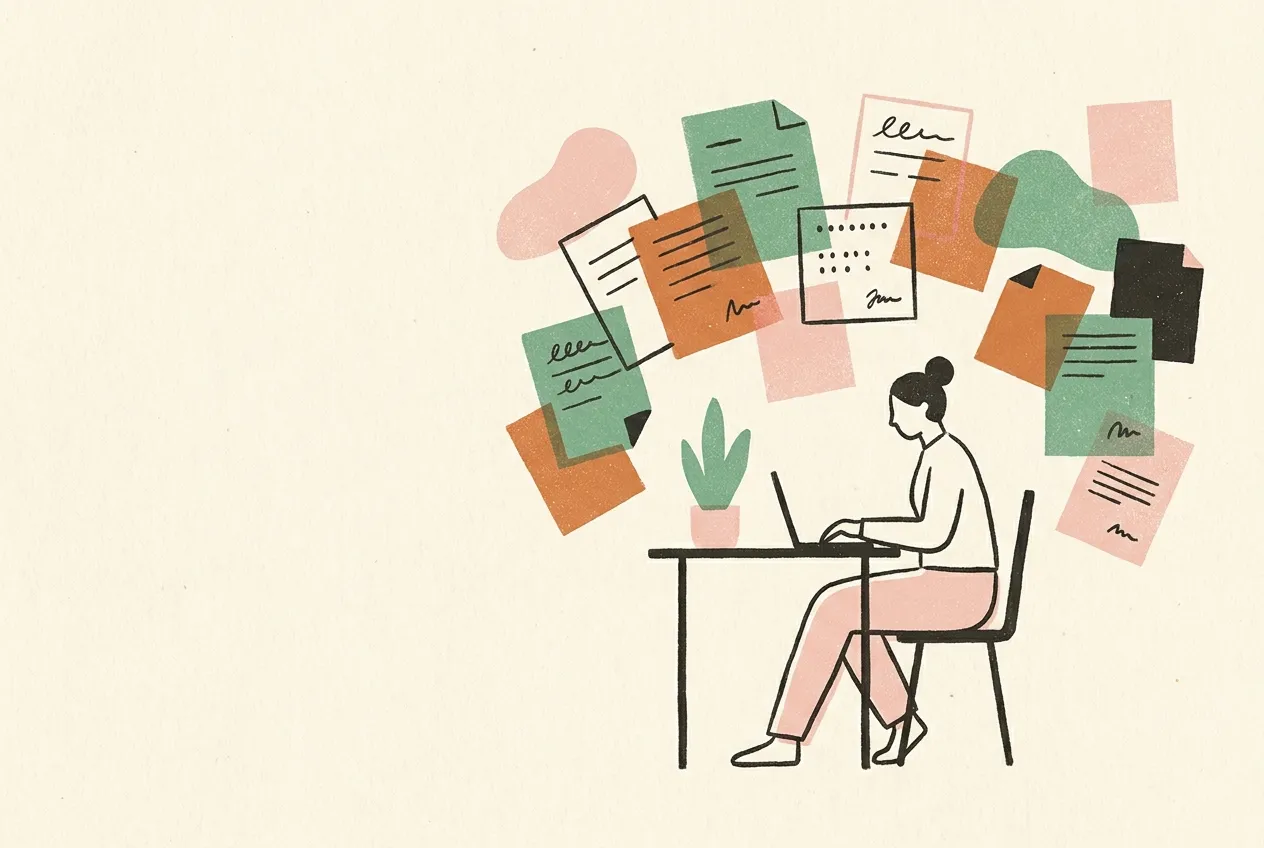
You can plan a flawless day on paper and still hit 3pm with nothing left in you. The hours were there. You were not. That gap is the whole case for energy management over time management: the clock is fixed at 24 hours for everyone, so time was never the variable you could actually move. Your energy is. Manage your energy, not your time, means building the day around when your attention and capacity are genuinely high, and refusing to spend those hours on work that any tool could carry.
What is energy management over time management?
It is planning around your capacity instead of your calendar. Anne-Laure Le Cunff, the neuroscientist behind Ness Labs, frames mindful productivity this way: not squeezing more into the day, but matching the right work to the right state of mind. Time management asks how many hours you can find. Energy management asks what you can actually bring to the hours you already have. Only one of those questions has an answer, because you cannot manufacture a 25th hour, but you can protect and renew the energy you spend inside the 24.
What is the 90-minute ultradian cycle?
The ultradian cycle is your brain's natural rhythm of roughly 90 minutes of rising focus followed by a real dip, when attention, alertness, and drive drop and your body asks for a pause. The sleep researcher Nathaniel Kleitman first described these cycles at night, and later work found the same wave runs through your waking day. The practical read is simple: focus is not a flat resource you can hold at full for eight hours. It comes in waves. Ride one wave of deep work, then rest before you start the next, and you get far more out of the same day than grinding straight through the trough where your brain has already checked out.
Try one cycle
Pick your hardest task. Give it one uninterrupted 90-minute block, no tabs, no pings. Then take a real 15 to 20 minute break, away from a screen, before anything else. Notice how much you did in 90 protected minutes versus a scattered morning.
What is a chronotype, and why does it matter?
Your chronotype is your body's natural preference for when to be alert and when to wind down, the reason some people write brilliantly at 6am and others not until 10pm. It is largely biological, not a discipline problem. When you know yours, you stop scheduling your most demanding thinking at the hour your body is least equipped for it. A night owl forcing a 9am strategy session, or a morning lark saving deep work for after dinner, is spending peak energy at a trough. Energy management means putting your hardest, most human work inside your real peak window, whenever that lands for you.
What is timeshielding?
Timeshielding, Le Cunff's term, is deliberately protecting a block of time so a full cycle of deep work can run without interruption. Not a hopeful gap between meetings, but a defended one: notifications off, calendar blocked, the door shut, for long enough that a 90-minute ultradian wave can actually complete. The reason it matters is that focus has a startup cost. Every interruption drops you back to the shallow end, and you pay that ramp-up tax again. Shield the block, and the wave carries you; leave it open, and you never get past the first ten minutes of depth.
How does AI help me manage my energy?
By taking the draining, low-value work off your plate so your protected peak cycles land on what is uniquely human. Think about what actually empties you: the inbox triage, the first-draft formatting, the status updates, the copy-paste ops, the busywork that quietly burns down your energy before you reach anything that matters. That is exactly the mechanical layer AI is astonishingly good at, and it is exactly the layer that never deserved your peak ultradian hours. Hand it over. Let your best window carry the judgment, the taste, the human calls only you can make.
Don't automate to work more. Automate to work mindfully, and spend human energy only where it's uniquely human.
None of this asks you to care less about the work. It asks you to stop treating every hour as identical, because they are not. Your peak cycle and your afternoon trough are not the same currency, and you already feel the difference. Spend them like they are different: peak waves on human work, troughs on rest, and the draining admin on the machine that never needed your good hours in the first place.
FAQ
What does it mean to manage your energy, not your time?
It means planning your day around your capacity and attention, which rise and fall in waves, instead of around the clock, which is fixed at 24 hours. Anne-Laure Le Cunff of Ness Labs calls this energy management over time management: match the right work to the right state, and put your hardest thinking in your real peak window.
What is the 90-minute ultradian rhythm?
It is your brain's natural cycle of roughly 90 minutes of rising focus followed by a dip when attention drops and your body asks for a break. Sleep researcher Nathaniel Kleitman first described these cycles. The practical move is to work one focused wave, then rest, instead of grinding through the trough.
How does AI help me manage my energy?
AI takes the draining, low-value work, the inbox triage, first drafts, formatting, and repetitive ops, so your protected peak cycles land on the human work only you can do. The rule is simple: don't automate to work more, automate to work mindfully, and spend human energy only where it is uniquely human.
- Energy management: work with your natural rhythmsNess Labs
- Ultradian rhythms in daytime human sleep propensityNathaniel Kleitman, sleep research
- The Power of Full Engagement, by Jim Loehr and Tony SchwartzThe Energy Project
Nina Brenes
AI partner for thoughtful experts · Founder of The Harmony Labs
Nina helps thoughtful experts turn what's in their head into AI-powered work that still sounds like them. She reads the research, tests the tools, and sits in the conferences so the people she works with get the short version: what is real, what to try this week, and what to ignore. Her focus is practical judgment, not hype.
Connect on LinkedIn